Resistors
Resistors are two-terminal components that limit current, voltage division and timing applications.
Electrical resistors are passive components catering to various applications, from simple electronic devices to complex industrial machinery. Our wide range of leading resistor distributors ensure that our customers have access to a diverse and high-quality selection, including chip SMD resistors, through-hole resistors, variable resistors and potentiometers and more. Whether you need standard resistors or specialized types, you can search for the best resistors online from trusted manufacturers.


Resistors Popular Parts

RC0402FR-0710KL
Res Thick Film 0402 10K Ohm 1% 0.063W(1/16W) ±100ppm/C Pad SMD T/R

ERJ-2RKF1002X
Res Thick Film 0402 10K Ohm 1% 1/10W ±100ppm/°C Molded SMD Punched Carrier T/R

RC0603FR-0710KL
100mW Thick Film Resistors 75V ±100ppm/℃ ±1% 10kΩ 0603 Chip Resistor - Surface Mount ROHS

RC0603JR-070RL
GENERAL PURPOSE CHIP RESISTOR Metal Glaze/thick Film, 0.1W, 0ohm, Surface Mount, 0603
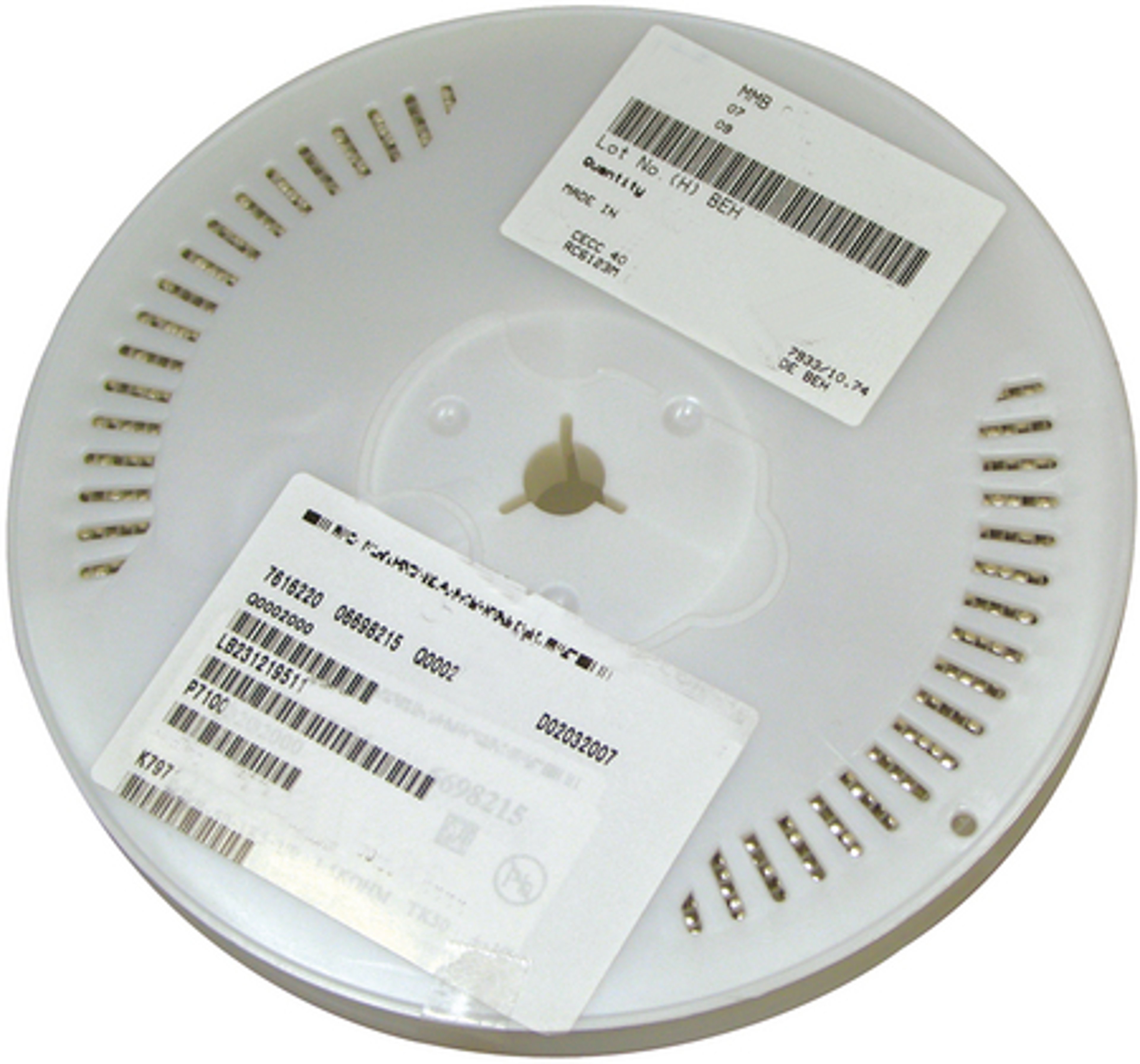
RC0402FR-07100KL
62.5mW Thick Film Resistors 50V ±100ppm/℃ ±1% 100kΩ 0402 Chip Resistor - Surface Mount ROHS

RC0402JR-070RL
GENERAL PURPOSE CHIP RESISTOR Metal Glaze/thick Film, 0.0625W, 0ohm, Surface Mount, 0402

RC0603FR-07100KL
100Mw Thick Film Resistors 100Ppm/ 1% 100K 0603 Chip Resistor Surface Mount Rohs
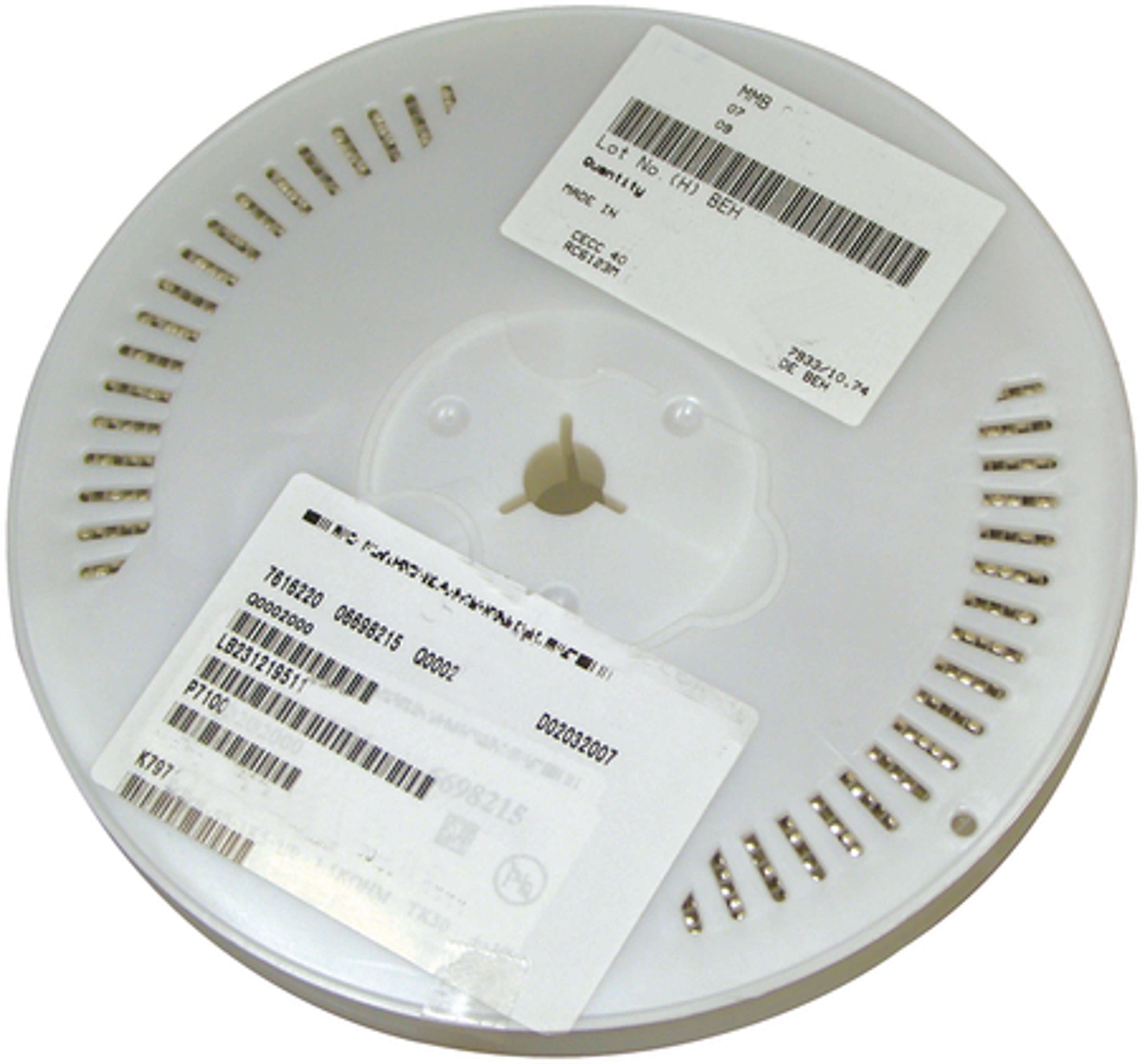
RC0402FR-071KL
62.5mW Thick Film Resistors 50V ±100ppm/℃ ±1% 1kΩ 0402 Chip Resistor - Surface Mount ROHS
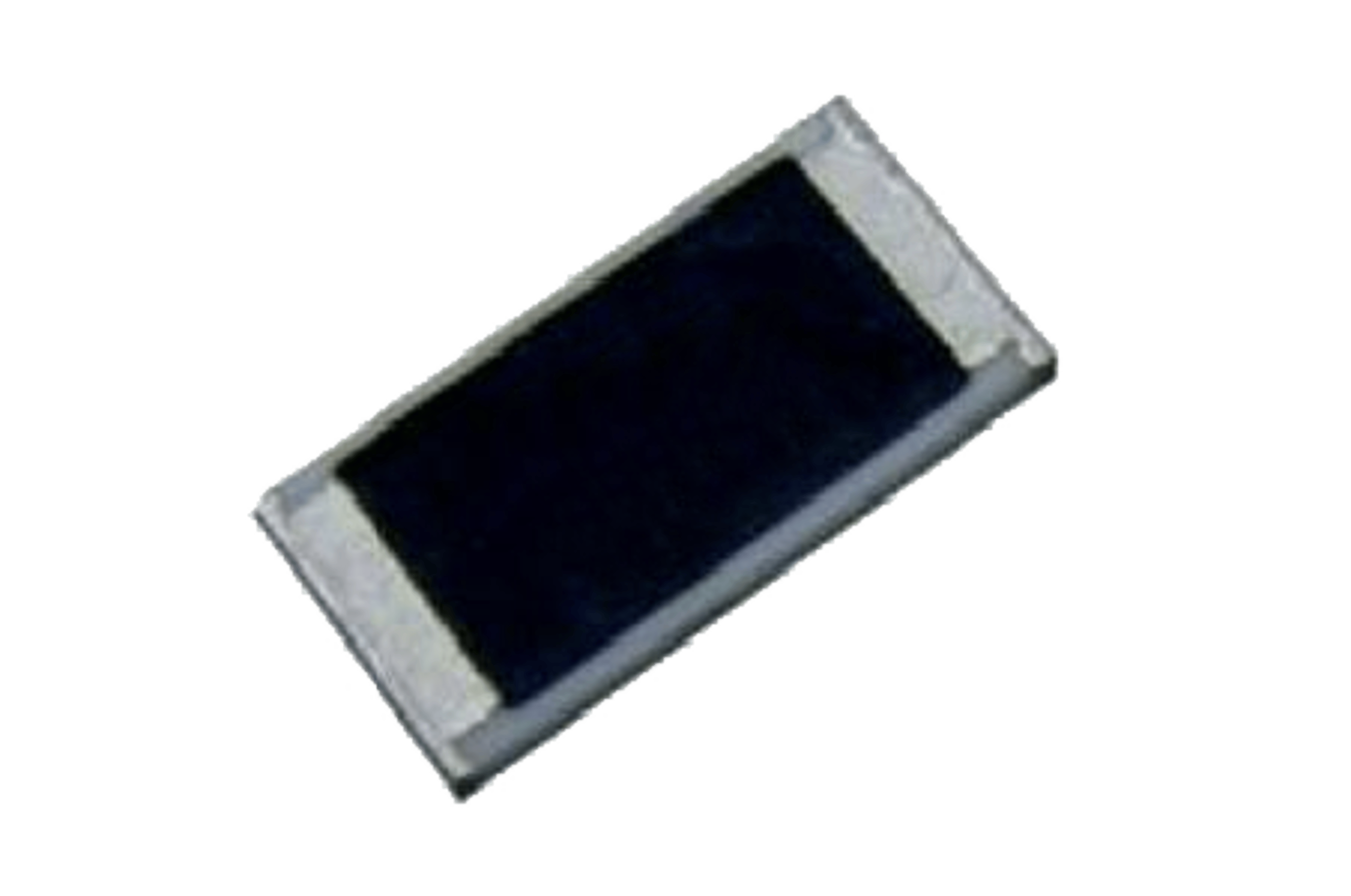
RC0402FR-070RL
GENERAL PURPOSE CHIP RESISTOR Metal Glaze/thick Film, 0.0625W, 0ohm, Surface Mount, 0402
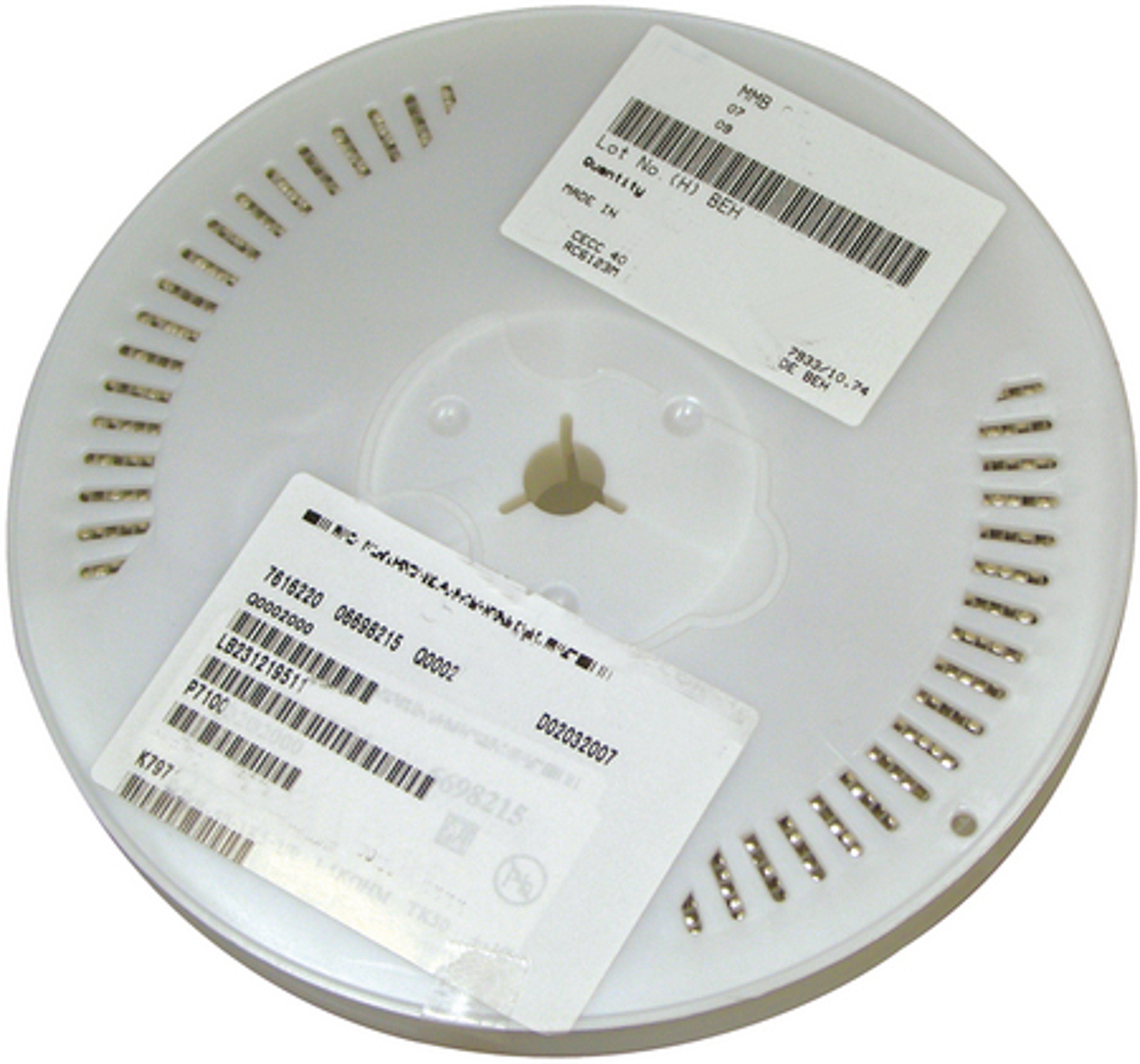
RC0603FR-071KL
Res Thick Film 0603 1K Ohm 1% 0.1W(1/10W) ±100ppm/°C Pad SMD T/R / RES SMD 1K OHM 1% 1/10W 0603
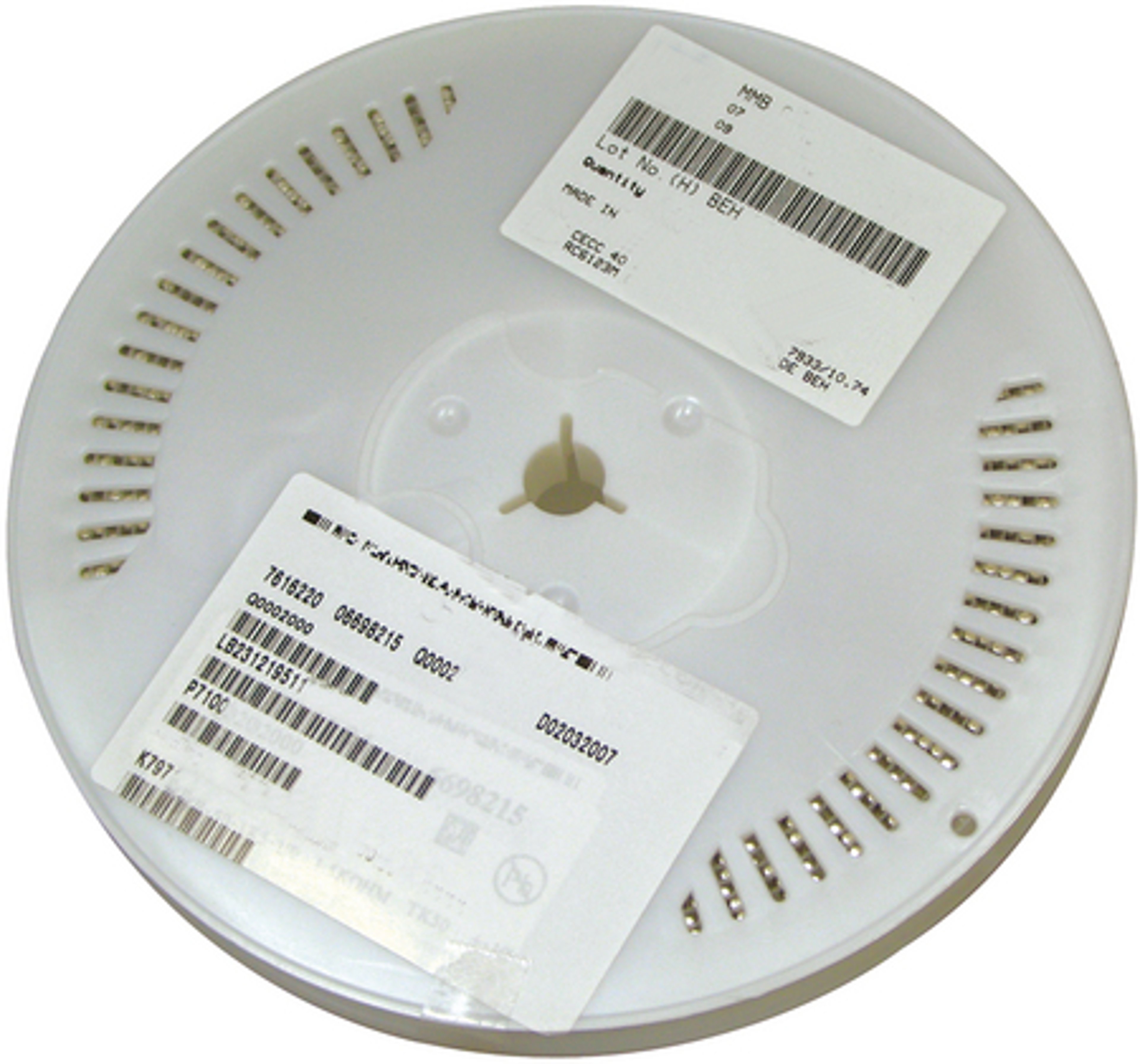
RC0603FR-07100RL
Yageo RC0603FR-07100RL 0603 SMD Resistor 100 Ohm thin film chip resistor

ERJ-3EKF1001V
Res Thick Film 0603 1K Ohm 1% 1/10W ±100ppm/°C Molded SMD Punched Carrier T/R
Achieving Optimal Performance With Resistors
Resistors are critical tools in electronic design, tasked with controlling and limiting the electric current flowing through circuits. These components are crucial for tailoring signal levels to suit specific operational requirements, ensuring that each part of the circuit receives the correct amount of power.
By dividing voltages, electrical resistors help maintain balance in the circuit's functionality, which is vital for the stability and efficiency of the overall system. They're also crucial for power dissipation, absorbing excess energy that could otherwise damage sensitive components.
Resistors also ensure reliability and safety in electronic operations. This protective function is indispensable, particularly in high-stakes settings where precision and durability are essential.
Types of Resistors
Resistors come in a variety of types, each designed for specific functions within electronic circuits. The diversity in resistor types underscores their adaptability and crucial role in electronic design, overcoming a wide range of technical challenges. Resistor examples include:
- Fixed resistors: The most prevalent type, used to maintain a constant resistance value, essential for applications requiring stable and predictable performance
- Variable resistors: Includes potentiometers and rheostats, offering the flexibility of adjusting resistance values to fine-tune circuit operations as needed
- Surface-mount resistors: Providing a compact solution for densely packed circuit boards in modern electronics
- Through-hole resistors: Preferred for their ease of use in prototyping and educational projects
- Specialty resistors: Fusible resistors that act as safety devices by breaking the circuit under excessive current and high-voltage resistors designed for industrial power applications

Understanding Resistor Specifications
Selecting the ideal resistor for any electronic project hinges on thoroughly understanding its specifications. Each specification defines the operational limits and ensures the resistor's compatibility and efficiency within the circuit. The essential characteristics of electronic resistors that influence their performance and application include:
- Resistance Value: This is a resistor's fundamental characteristic, measured in Ohms (Ω). It determines the resistance level a resistor offers against the flow of electrical current.
- Tolerance: Expressed as a percentage, tolerance measures how much a resistor's actual resistance value can vary from its stated value. Lower tolerance percentages represent higher precision and stability in performance.
- Power Rating: The power rating of a resistor defines the maximum amount of power it can safely dissipate as heat without deteriorating or failing. Measured in watts, the power rating is essential for preventing thermal damage in circuits that operate at high power levels.
- Temperature Coefficient: This indicates how resistance changes with temperature. This specification is crucial for applications exposed to varying environmental temperatures.

Frequently Asked Questions About Resistors
As a trusted resource in the global resistor market, Octopart regularly fields questions about resistors and their uses. Here, we address some of the most common inquiries to enhance your understanding of resistors in various electronic setups.
How Do You Read Resistor Color Codes?
To read these color codes, you must:
- Identify the Number of Bands: Most resistors will have either four, five, or six colored bands. Generally, four-band resistors are the most common and provide basic resistance values with tolerance. Five- and six-band resistors offer more precision with an additional digit or a temperature coefficient.
- Understand the Color Code: Each color on the bands corresponds to a specific number. The common mnemonic to remember the color codes is "BB Roy of Great Britain had a Very Good Wife," where each initial stands for a color and its corresponding value:
- Black = 0
- Brown = 1
- Red = 2
- Orange = 3
- Yellow = 4
- Green = 5
- Blue = 6
- Violet = 7
- Gray = 8
- White = 9
- Assign Values to Brands:
- For four-band resistors, the first two bands represent the first two digits of the resistance value, the third band is the multiplier, and the fourth band indicates tolerance.
- In five-band resistors, the first three bands are the digits of the resistance value, the fourth band signifies the multiplier, and the fifth band is the tolerance.
- Six-band resistors follow the same pattern as five-band ones, with an additional sixth band that usually represents the temperature coefficient.
- Calculate the Resistance: Multiply the number derived from the color of the first bands by the multiplier indicated by the color of the subsequent band..
- Note the Tolerance and Temperature Coefficient (if applicable): The tolerance band is crucial for understanding the accuracy of the resistor's resistance value. A gold band signifies ±5% tolerance, meaning the actual resistance can vary by 5% above or below the stated value.
Locate Resistors Using Octopart's Intuitive Platform
If you want resistors for sale, Octopart is an excellent starting point. You can find a wide range of resistor types, including wire-wound, carbon film, and metal film. We provide access to the leading resistor distributors and suppliers, letting you compare real-time resistor prices, availability, and more all in one location. Our intuitive platform and extensive filters help simplify your search, and our datasheets and CAD models provide all the information you need. Use our BOM Tool to assemble your bill of materials and track all your components. Octopart is an efficient tool for locating resistors online, along with other passive components.