Electrical Sensors

Electrical sensors detect and measure some type of input from the physical environment and convert the information into electrical signals
Electrical sensors detect an input from the physical environment and convert the information into electrical signals. Octopart has the electronic sensors you need to identify inputs like pressure, temperature and moisture, flow, level, acceleration or any other environmental phenomena. The output is usually an electric signal that can be analog, digital or some specific output signal.


Sensors Popular Parts
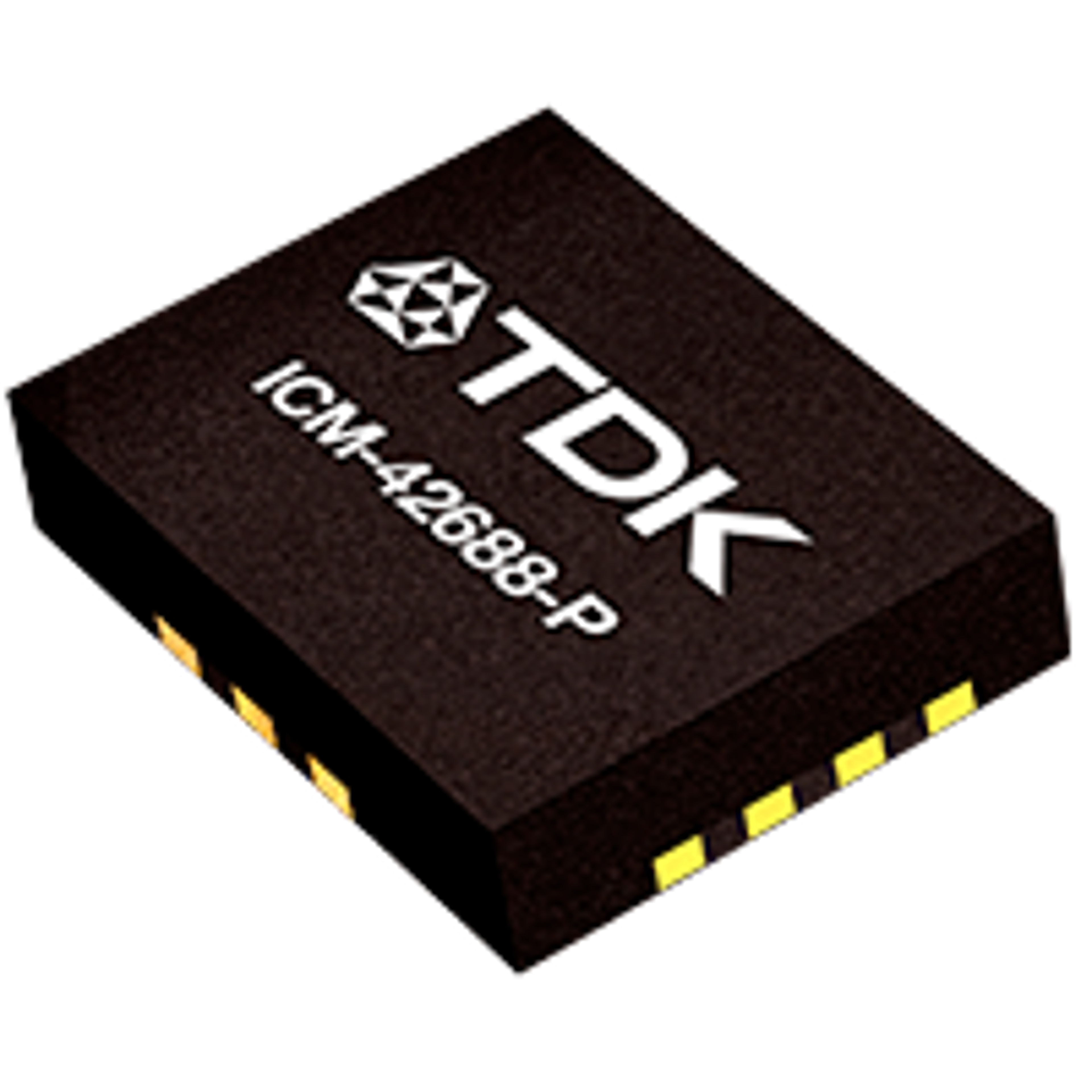
ICM-42688-P
IMU (Inertial Measurement Unit), 6-Axis, Accelerometer, Gyroscope

LIS2DW12TR
LIS2DW12 Series 3 Axis ¡À2/¡À4/¡À8/¡À16g 3-Axis "Femto" Accelerometer - LGA-12
VL53L9CXV0VE/1
VL53L9CX Series 1.2 V to 3.3 V 5cm to 9m 3D dToF All-in-One Lidar Module Sensor

IIS2MDCTR
IIS2MDC Series 3.6 V Ultra-Low-Power 3-axis Digital Magnetic Sensor - LGA-12

LIS3DHTR
Digital Accelerometer, 3-Axis, 2g/4g/8g/16g, 16-bit, I2C/SPI interfaces, LGA16, STM

ICM-45686
Mems Module, 6-Axis, 1.71V-3.6V, Lga-14; |Tdk Invensense ICM-45686

DPS368XTSA1
Pressure Sensor, Barometric, 300 hPa to 1200 hPa, Digital, 1.7 V to 3.6 V, 8 Pins, VLGA
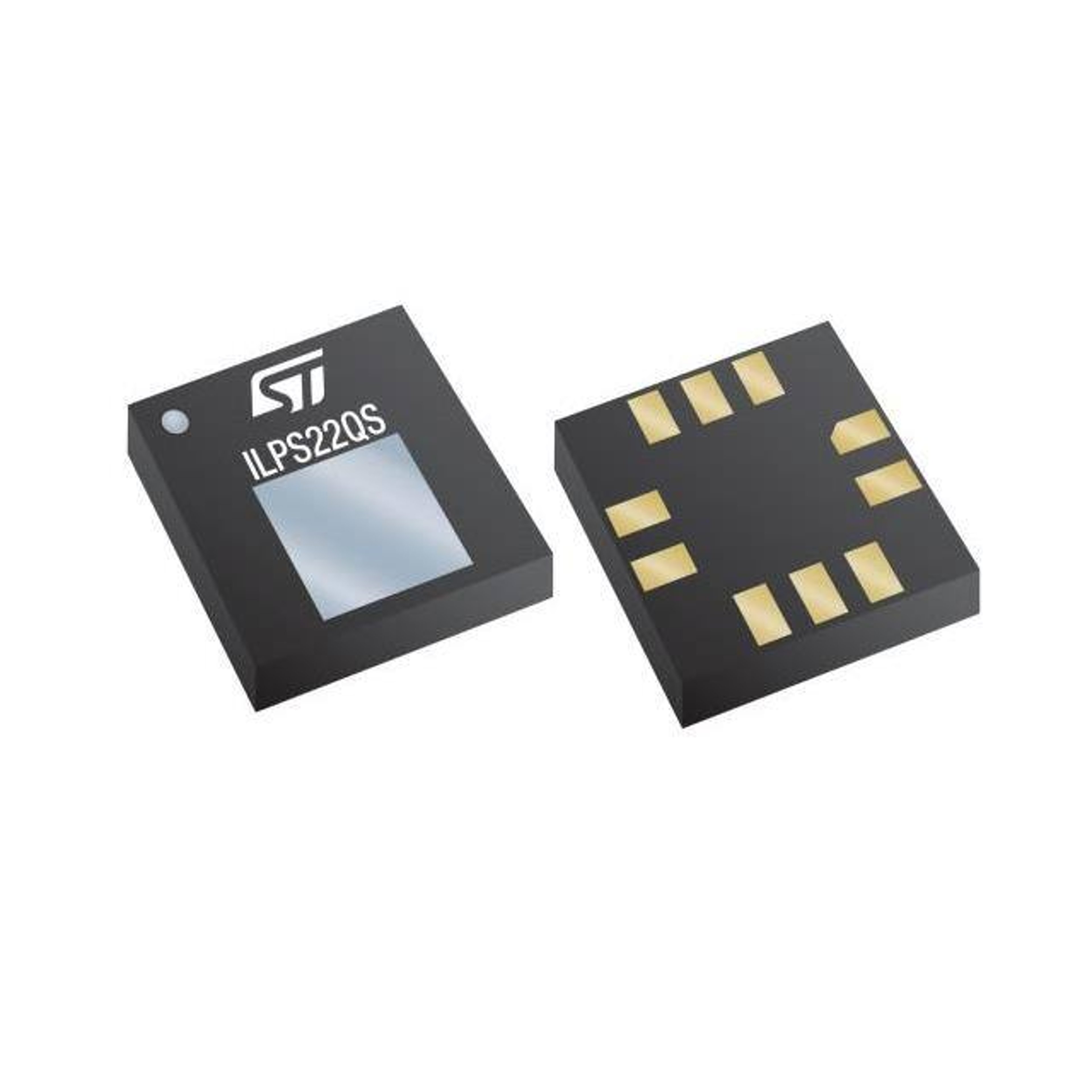
ILPS22QSTR
Board Mount Pressure Sensor 260hPa to 4060hPa Absolute 10-Pin HLGA T/R

LIS2DH12TR
Stmicroelectronics - LIS2DH12TR - 3-AXIS Accelerometer, Digital, LGA-12

LIS2MDLTR
LIS2MDL Series 3.6V 50 Hz High Performance 3-Axis Digital Magnetic Sensor-LGA-12

LPS22DFTR
Pressure Sensor Absolute, 260 hPa to 1260 hPa, Digital, 1.7 V to 3.6 V, 10 Pins, HLGA

BME280
Pressure, Temperature and Humidity Sensor Digital Output 1.8V 8-Pin LGA T/R
What Is a Sensor in Electronics?
Electronic sensors are components that detect physical inputs from the environment and convert them into electrical signals. Those signals can be analog, digital, or a specific protocol output, depending on the sensor design and application. Engineers use sensor components across nearly every electronic system, including industrial automation, consumer devices, medical instruments, and aerospace platforms. From a temperature sensor IC to a pressure sensor for a fluid system to a magnetometer for orientation tracking, the measurement principle is the same: The physical world feeds data to your circuit.

Types of Sensors Available on Octopart
Octopart organizes electronic sensor products into subcategories so you can narrow your search fast. Pressure sensors account for more than 200,000 parts in our catalog, the largest single sensor subcategory on the platform. Proximity sensors, optical sensors, temperature and humidity sensors, magnetic sensors, motion sensors, gas sensors, position sensors, current sensors, and flow sensors all have dedicated pages with full filtering by specs, manufacturer, and distributor. If your design calls for a specific part, such as an ultrasonic sensor for distance detection or a Hall effect sensor for rotational feedback, you can filter by what matters most.
Motion Sensors: Accelerometers, Gyroscopes, and IMUs
Motion sensing covers a range of interconnected sensor types. An accelerometer sensor measures linear acceleration along one or more axes, a gyroscope sensor measures angular velocity, and an inertial measurement unit combines both, sometimes adding a magnetometer, into a single package. IMU sensors are common in robotics, UAVs, and wearables, where full six-degree-of-freedom tracking is required. Octopart carries IMU sensor parts from leading manufacturers.

Source Electronic Sensor Products Across Hundreds of Distributors
Octopart aggregates pricing and availability data from hundreds of distributors and manufacturer-direct sources in one place. You can compare offers for the same sensor IC across multiple distributors without opening separate tabs or submitting quote requests. Each listing includes technical specifications, datasheets, lifecycle status, RoHS information, and CAD models where available, giving procurement teams and design engineers the data they need to make informed sourcing decisions. Add parts directly to your BOM and compare costs at volume.
This applies to every sensor type in our catalog, including a photodiode sensor for optical detection, an ambient light sensor for display brightness control, a speed sensor for motor feedback, a level sensor for tank monitoring, or a force sensor for load measurement.
Frequently Asked Questions about Electronic Sensors
How do electronic sensors work?
Most electronic sensors rely on a physical phenomenon, such as piezoelectricity, thermoresistance, capacitance change, photoelectric effect, or Hall effect, that produces a measurable electrical response when the target variable changes. The sensor's internal circuitry conditions that raw response into a usable analog voltage, digital output, or bus-protocol signal (I²C, SPI, UART). The specifics vary by sensor type, but the core principle remains: A physical quantity produces an electrical output proportional to that quantity.