CAN Transceivers
ICs for enabling reliable communication on Controller Area Networks
CAN transceivers are used to send and receive data across Controller Area Networks, which are common in automotive, industrial, and medical systems. A CAN transceiver ensures proper voltage levels, timing, and noise immunity so devices can communicate reliably, even in harsh environments. Whether you're building a vehicle control system or a factory automation setup, a CAN transceiver IC is key to stable data transfer. Use Octopart to quickly find the CAN transceiver module or other interface ICs you need. Then you can compare suppliers, view datasheets, and check real-time pricing and availability.


CAN-Transceiver erkunden
| Distributor | SKU | Min | Pkg | Bulk Pricing | Updated | ||||||||
|---|---|---|---|---|---|---|---|---|---|---|---|---|---|
| Newark | MCP2562FD-E/MF | 360 | 1 | USD | |||||||||
| Avnet | 53X3274 | 360 | 360 | USD | 19h | ||||||||
| Onlinecomponents.com | MCP2562FD-E/MF | 15.960 | 120 | Bulk | USD | ||||||||
| Master Electronics | MCP2562FD-E/MF | 15.960 | 120 | USD | |||||||||
| Arrow Electronics | MCP2562FD-E/MF | 295 | 1 | USD |
| Distributor | SKU | Min | Pkg | Bulk Pricing | Updated | ||||||||
|---|---|---|---|---|---|---|---|---|---|---|---|---|---|
| Newark | MCP2515-I/SO | 986 | 42 | USD | |||||||||
| Avnet | MCP2515-I/SO | 986 | 42 | USD | 19h | ||||||||
| Onlinecomponents.com | MCP2515-I/SO | 1.680 | 42 | Bulk | USD | ||||||||
| Master Electronics | MCP2515-I/SO | 1.680 | 42 | USD | |||||||||
| Arrow Electronics | MCP2515-I/SO | 612 | 1 | USD |
| Distributor | SKU | Min | Pkg | Bulk Pricing | Updated | ||||||||
|---|---|---|---|---|---|---|---|---|---|---|---|---|---|
| Newark | MCP2515-I/ST | 23.043 | 1 | USD | |||||||||
| Future Electronics | MCP2515-I/ST | 252 | 10 | Tube | USD | ||||||||
| Avnet | MCP2515-I/ST | 5.417 | 1 | USD | 19h | ||||||||
| Onlinecomponents.com | MCP2515-I/ST | 2.664 | 74 | Bulk | USD | ||||||||
| RS (Formerly Allied Electronics) | MCP2515-I/ST | 156 | 1 | Bulk | USD | 7h |
| Distributor | SKU | Min | Pkg | Bulk Pricing | Updated | ||||||||
|---|---|---|---|---|---|---|---|---|---|---|---|---|---|
| Newark | MCP2561T-E/SN | 1.252 | 1 | Cut Tape | USD | ||||||||
| Avnet | MCP2561T-E/SN | 6.600 | 3300 | USD | 19h | ||||||||
| Onlinecomponents.com | MCP2561T-E/SN | 5.403 | 250 | Bulk | USD | ||||||||
| Master Electronics | MCP2561T-E/SN | 5.403 | 250 | USD | |||||||||
| Arrow Electronics | MCP2561T-E/SN | 3.300 | 1 | USD |
| Distributor | SKU | Min | Pkg | Bulk Pricing | Updated | ||||||||
|---|---|---|---|---|---|---|---|---|---|---|---|---|---|
| Newark | MCP2561-E/SN | 400 | 1 | USD | |||||||||
| Avnet | MCP2561-E/SN | 400 | 100 | USD | 19h | ||||||||
| Onlinecomponents.com | MCP2561-E/SN | 200 | 100 | Bulk | USD | ||||||||
| Arrow Electronics | MCP2561-E/SN | 1.976 | 1 | USD | |||||||||
| Master Electronics | MCP2561-E/SN | 200 | 100 | USD |
| Distributor | SKU | Min | Pkg | Bulk Pricing | Updated | ||||||||
|---|---|---|---|---|---|---|---|---|---|---|---|---|---|
| Newark | MCP25625T-E/ML | 3.739 | 1 | Cut Tape | USD | ||||||||
| Onlinecomponents.com | MCP25625T-E/ML | 2.315 | 100 | Bulk | USD | ||||||||
| Arrow Electronics | MCP25625T-E/ML | 3.677 | 1 | USD | |||||||||
| Master Electronics | MCP25625T-E/ML | 2.315 | 100 | USD | |||||||||
| DigiKey | MCP25625T-E/MLCT-ND | 3.006 | 1 | Cut Tape | USD |
| Distributor | SKU | Min | Pkg | Bulk Pricing | Updated | ||||||||
|---|---|---|---|---|---|---|---|---|---|---|---|---|---|
| Newark | MCP2515-E/SO | 6.961 | 1 | USD | |||||||||
| Future Electronics | MCP2515-E/SO | 83 | 10 | Tube | USD | ||||||||
| Avnet | MCP2515-E/SO | 41 | 42 | USD | 19h | ||||||||
| Onlinecomponents.com | MCP2515-E/SO | 756 | 42 | Bulk | USD | ||||||||
| Master Electronics | MCP2515-E/SO | 756 | 42 | USD |
| Distributor | SKU | Min | Pkg | Bulk Pricing | Updated | ||||||||
|---|---|---|---|---|---|---|---|---|---|---|---|---|---|
| Newark | MCP25625-E/SS | 826 | 1 | USD | |||||||||
| Avnet | MCP25625-E/SS | 141 | 47 | USD | 19h | ||||||||
| Onlinecomponents.com | MCP25625-E/SS | 2.491 | 47 | Bulk | USD | ||||||||
| Master Electronics | MCP25625-E/SS | 2.491 | 47 | USD | |||||||||
| Arrow Electronics | MCP25625-E/SS | 21 | 1 | USD |
| Distributor | SKU | Min | Pkg | Bulk Pricing | Updated | ||||||||
|---|---|---|---|---|---|---|---|---|---|---|---|---|---|
| Newark | MCP2562-E/SN | 7.902 | 1 | USD | |||||||||
| Future Electronics | MCP2562-E/SN | 10 | 25 | Tube | USD | ||||||||
| Avnet | MCP2562-E/SN | 550 | 1 | USD | 19h | ||||||||
| Onlinecomponents.com | MCP2562-E/SN | 645 | 100 | Bulk | USD | ||||||||
| Arrow Electronics | MCP2562-E/SN | 720 | 1 | USD |
| Distributor | SKU | Min | Pkg | Bulk Pricing | Updated | ||||||||
|---|---|---|---|---|---|---|---|---|---|---|---|---|---|
| Newark | MCP2562T-E/MF | 27.552 | 1 | Cut Tape | USD | ||||||||
| Onlinecomponents.com | MCP2562T-E/MF | 13.200 | 250 | Bulk | USD | ||||||||
| Master Electronics | MCP2562T-E/MF | 13.200 | 250 | USD | |||||||||
| Arrow Electronics | MCP2562T-E/MF | 2.190 | 1 | USD | |||||||||
| DigiKey | MCP2562T-E/MFCT-ND | 3.180 | 1 | Cut Tape | USD |
CAN-Transceiver beliebte Teile




What Is a CAN Transceiver?
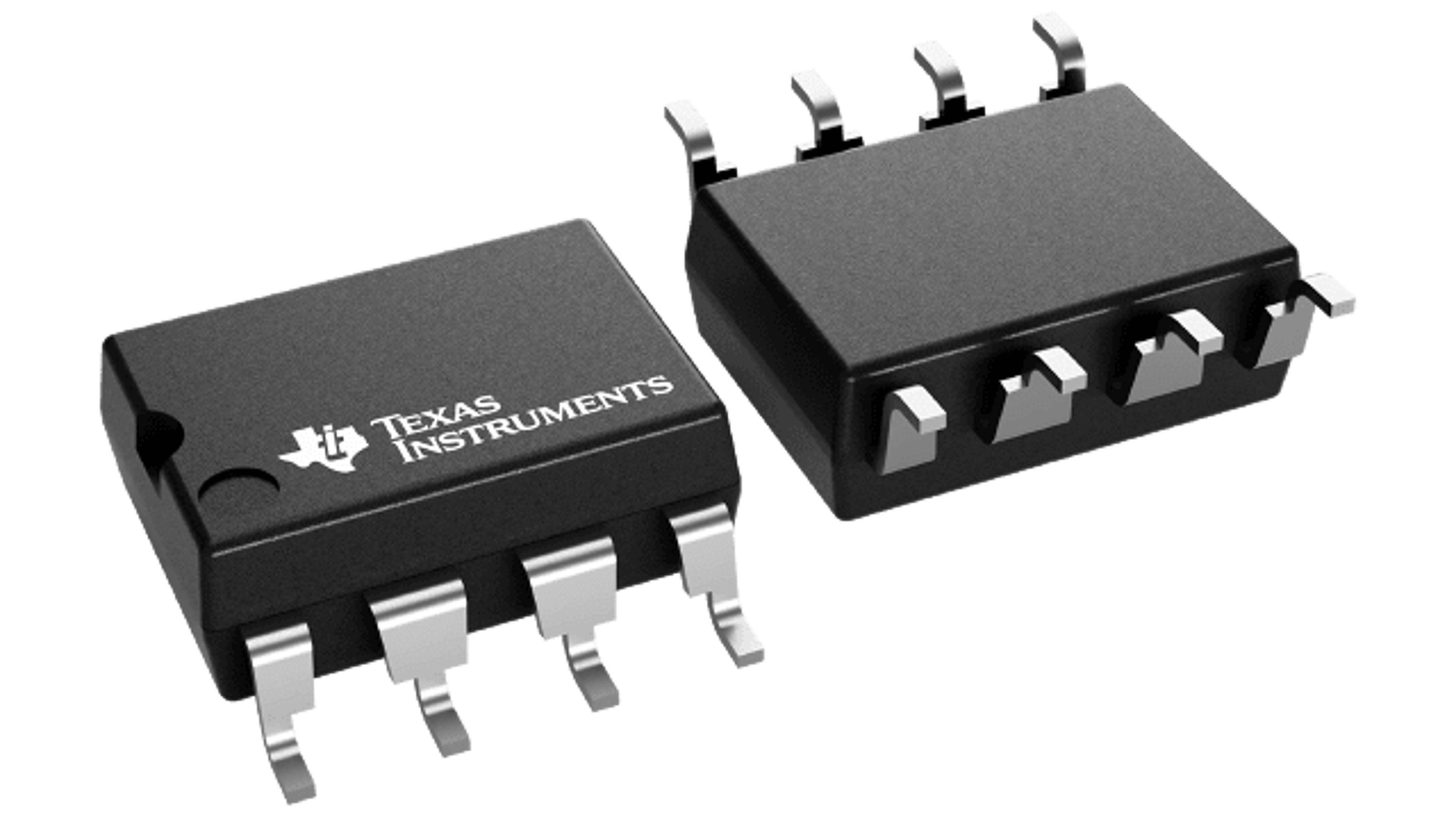
A CAN transceiver is the physical-layer IC that connects a CAN controller to the two-wire CAN bus. It converts logic-level signals from the controller into differential voltage signals for transmission and translates those signals back on the receive side. Every node on a Controller Area Network needs one. Without it, the CAN protocol controller has no physical path to the bus. Octopart provides access to numerous options for creating CAN transceiver circuits.

Where CAN Transceiver ICs Are Used
Like many interface ICs, CAN transceiver chips are a standard fixture in automotive, industrial, and medical systems. In vehicles, they appear in engine control units, transmission systems, and braking modules, anywhere ECUs need to share data fast. Industrial automation, robotics, and building controls also rely on CAN IC solutions for multi-node communication over a single differential pair. The protocol's resilience in high-noise environments makes it a preferred choice for any application where signal integrity cannot be compromised.
CAN FD vs. Classical CAN Transceivers
Classical CAN transceivers operate at data rates up to 1 Mbps. CAN FD (Flexible Data Rate) transceivers push that ceiling to 5 Mbps or higher. Some CAN FD chips from manufacturers like Microchip support data rates up to 8 Mbps. Both variants share the same basic two-wire bus architecture but differ in frame format and speed capability. If your design may migrate to CAN FD later, selecting a CAN transceiver chip with CAN FD support now avoids a forced redesign.

Find CAN Transceivers on Octopart
Octopart indexes over 1,300 CAN transceiver modules and chips from manufacturers including NXP Semiconductors, Texas Instruments, and Microchip. Search by part number, filter by supply voltage, data rate, package type, or operating temperature to narrow down to the right CAN transceiver IC for your design. Every listing includes datasheets, distributor pricing, and the latest stock from hundreds of authorized and non-authorized distributors worldwide. Load your full BOM into our BOM tool to compare offers across distributors in a single view and catch end-of-life risks before they stall production.
Frequently Asked Questions
What’s the difference between a CAN controller and a CAN transceiver?
CAN controller: Implements the ISO 11898 data‑link layer (framing, bit timing, filtering, error handling). It’s built into many MCUs or available as a standalone controller.
CAN transceiver: Implements the physical layer (voltage levels, drivers/receivers, protection) and connects to the twisted‑pair bus.
Search “CAN transceiver IC” on Octopart, then check offer listings for pricing, lead time, and packaging (reel/tube) to align with your build plan.